Case Study: Successful Window Renovation Projects in Brussels


Introduction to Window Renovation in Brussels
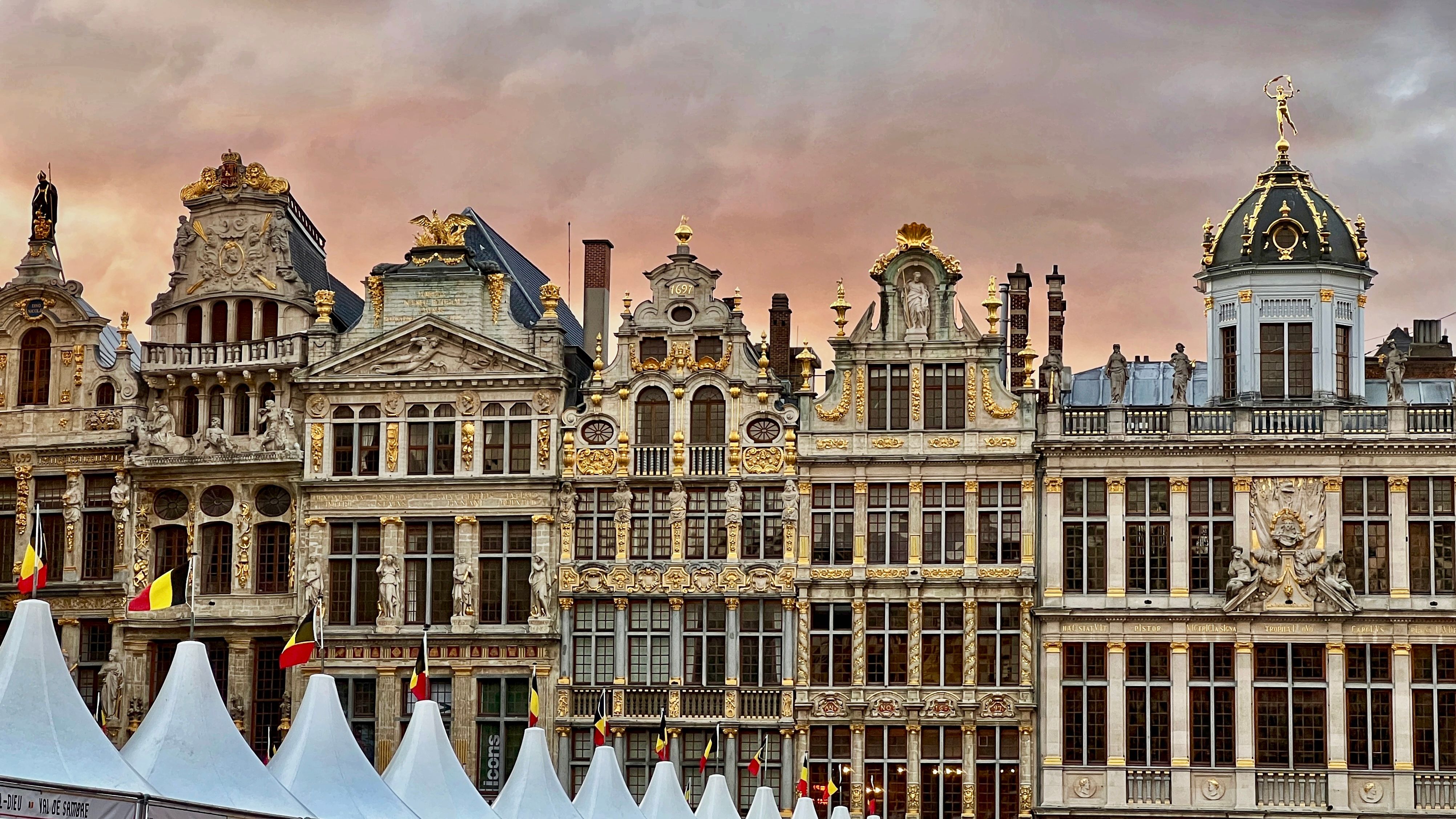
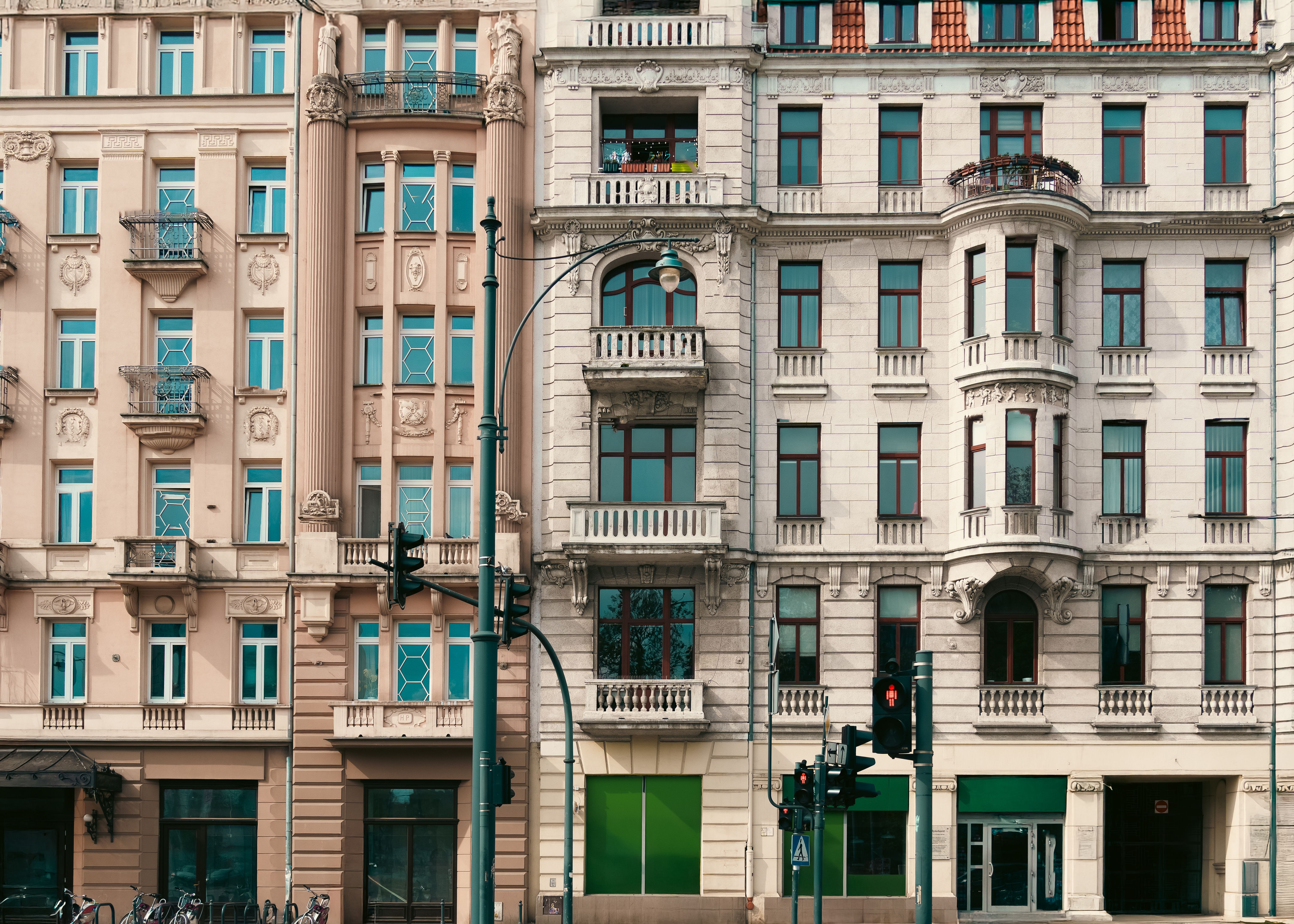
Brussels, the vibrant capital of Belgium, is renowned for its rich history and architectural beauty. One aspect that plays a crucial role in maintaining this charm is the renovation of windows in historic and modern buildings alike. This case study explores several successful window renovation projects in Brussels, highlighting the strategies and results that have set these projects apart.
Window renovation is not only about aesthetics. It also involves improving energy efficiency, enhancing security, and preserving historical integrity. In Brussels, where traditional and contemporary styles coexist, these projects require a nuanced approach.
Project 1: The Royal Palace Restoration
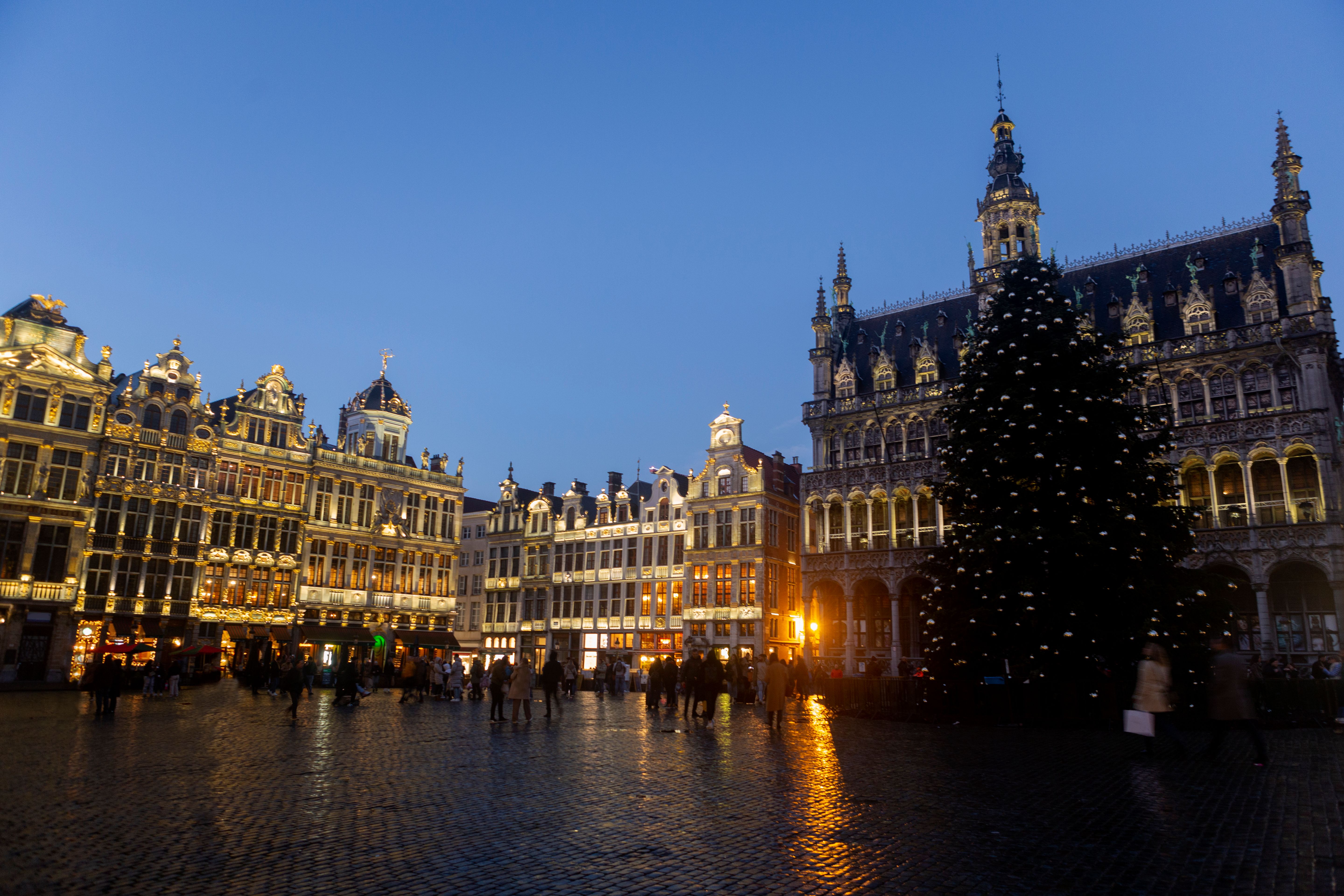
The Royal Palace of Brussels is an iconic landmark. Its window renovation project focused on maintaining the historical essence while introducing modern functionalities. The project team used traditional materials to preserve the palace's grandeur, incorporating modern glazing techniques to enhance insulation and reduce energy consumption.
This renovation not only preserved the palace's aesthetic appeal but also improved its environmental footprint, showcasing a successful blend of history and innovation.
Project 2: Modern Apartment Complex in Ixelles
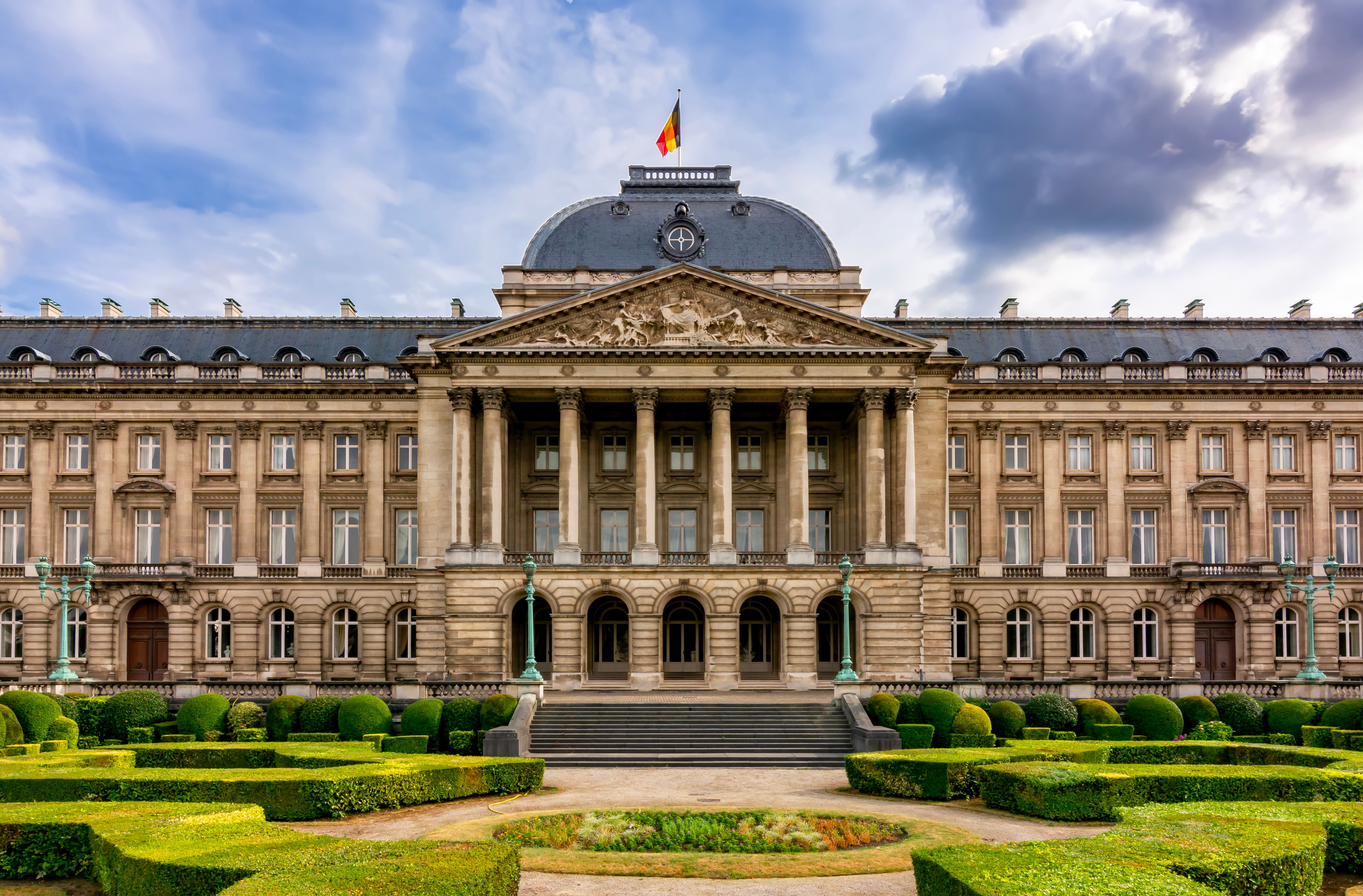
In the bustling neighborhood of Ixelles, a modern apartment complex underwent a comprehensive window upgrade. The primary goal was to enhance energy efficiency and reduce noise pollution. The team employed triple-glazed windows, which significantly improved thermal insulation and provided a quieter living environment.
This project demonstrated how modern technology could be seamlessly integrated into contemporary living spaces, offering residents both comfort and sustainability.
Project 3: Art Nouveau Residence in Saint-Gilles
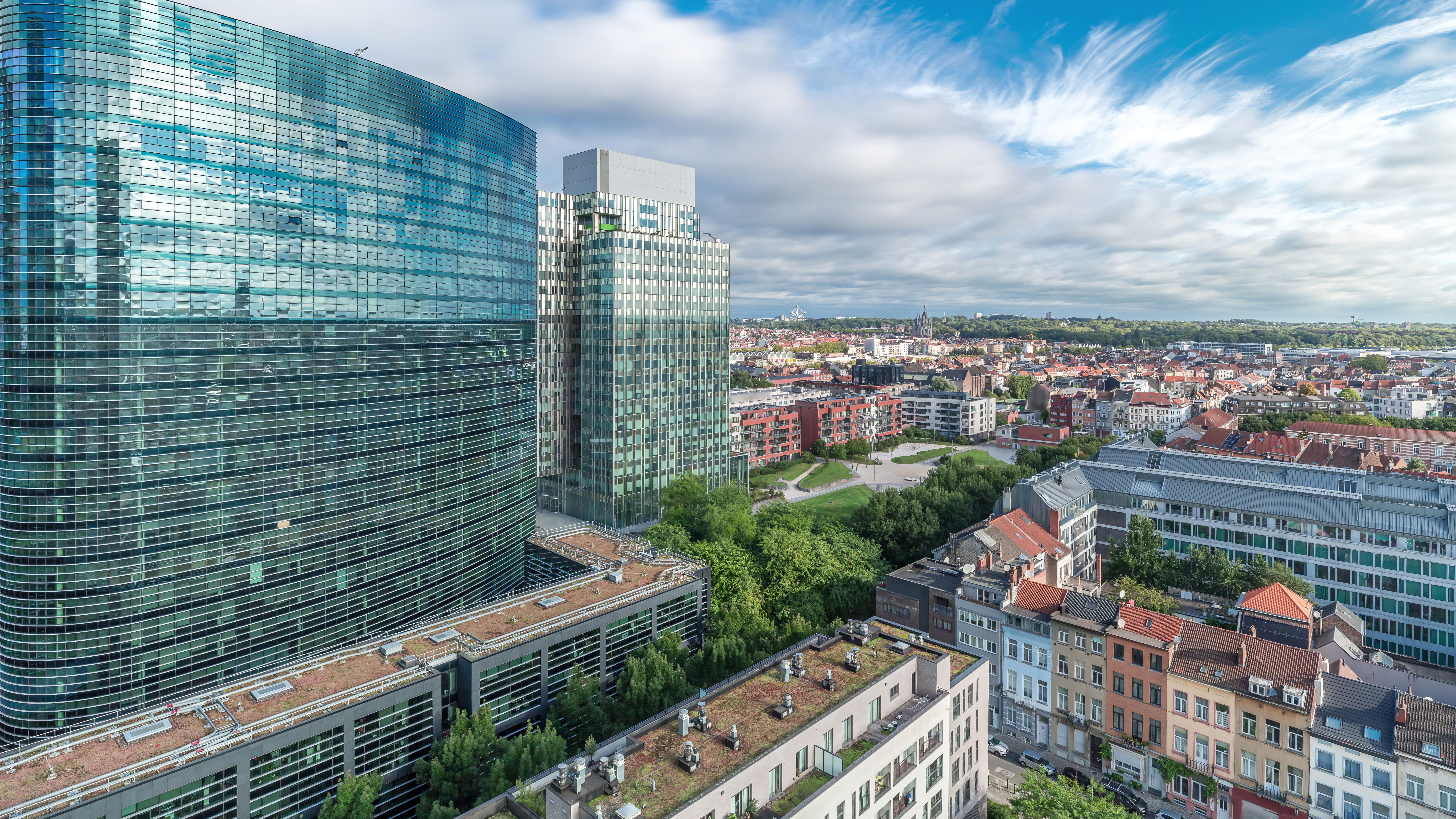
Saint-Gilles is known for its beautiful Art Nouveau architecture. A private residence in this area underwent a meticulous window renovation, focusing on preserving its unique design elements. The craftsmen replicated original window frames and used specially treated glass to maintain the house's character while enhancing durability.
This project highlighted the importance of skilled craftsmanship in preserving architectural heritage, ensuring that the residence continued to be a testament to the Art Nouveau movement.
Lessons Learned from These Projects
Across these projects, several key lessons emerged:
- Preservation of Historical Integrity: Using traditional materials and designs is crucial in maintaining the city's architectural heritage.
- Incorporation of Modern Technology: Modern glazing techniques and materials can significantly enhance energy efficiency and comfort.
- Collaboration with Skilled Craftsmen: Expertise in traditional craftsmanship is indispensable in renovation projects, especially for historical buildings.
Conclusion: A Path Forward for Future Renovations
The successful window renovation projects in Brussels serve as a model for future endeavors. By balancing historical preservation with modern innovation, these projects have not only enhanced the buildings they transformed but have also contributed to the city's ongoing legacy of architectural excellence.
As Brussels continues to grow and evolve, these renovation strategies will ensure that its buildings remain both functional and beautiful, safeguarding the city's unique character for generations to come.